English
 français
 Deutsch
 русский
 italiano
 español
 português
 العربية
 日本語
日本語 Polski
 中文
中文
Cómo podemos ayudarte
Usted puede contactarnos de cualquier forma que sea conveniente para usted. Nosotros están disponibles las 24 horas / 7 días vía correo electrónico o teléfono.
Contacta con nosotras

El correcto pulido de un suelo de hormigón es fundamental para una gran variedad de proyectos, desde garajes residenciales hasta grandes espacios comerciales en ciudades como Nueva York y Londres. Tanto si el objetivo es pulir, aplicar un revestimiento o simplemente nivelar la superficie, un proceso de pulido bien ejecutado garantiza un rendimiento duradero. La clave reside en seguir un método sistemático y adaptarse a las condiciones específicas del suelo, en lugar de aplicar un enfoque uniforme.
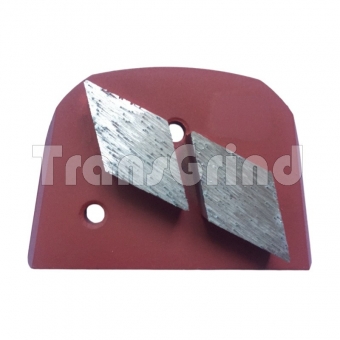
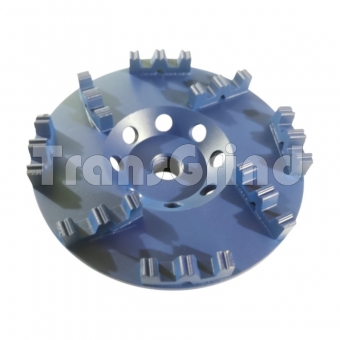
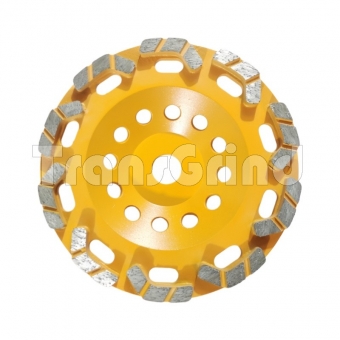
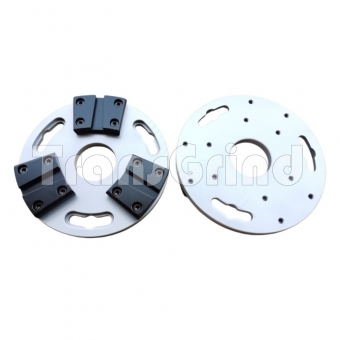
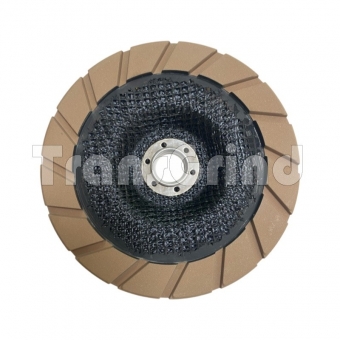
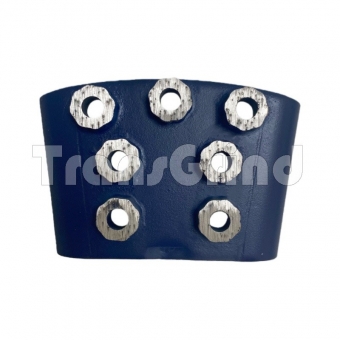
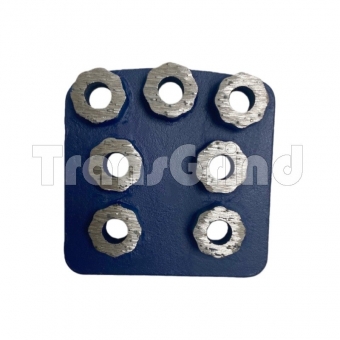
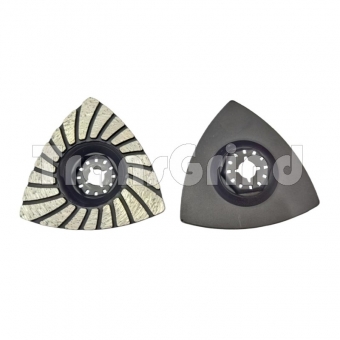
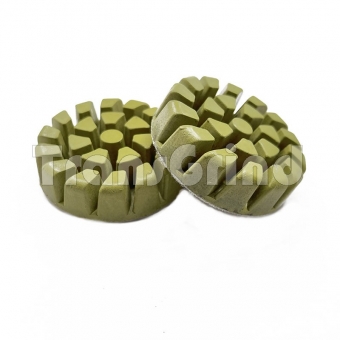
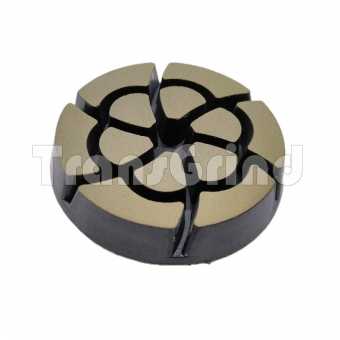
El proceso comienza con una inspección minuciosa del suelo, comprobando si hay revestimientos, adhesivos, grietas o zonas irregulares que puedan afectar al lijado. Esta evaluación guía la elección de las herramientas y la secuencia de lijado. Para revestimientos gruesos o capas de adhesivo pesadas, se utilizan herramientas de eliminación de PCD como Herramientas Lavina PCD suelen ser la mejor opción porque rompen y levantan el material en lugar de esparcirlo. Después de eliminar la mayor parte del recubrimiento, herramientas de rectificado de diamante para metal y hormigón Se utiliza para nivelar la superficie y crear una base uniforme para el acabado posterior.
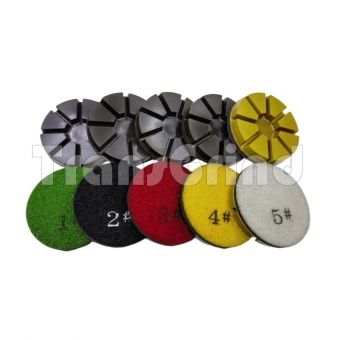
Una vez seleccionadas las herramientas adecuadas, el lijado comienza con un grano grueso para eliminar imperfecciones y nivelar el suelo. Mantener un movimiento constante de la lijadora es esencial, especialmente en suelos comerciales grandes, para evitar una presión desigual que pueda causar marcas visibles. Los contratistas suelen utilizar Herramientas de diamante TransGrind para garantizar la uniformidad en diferentes tipos de suelo, especialmente en entornos difíciles como almacenes o tiendas minoristas.
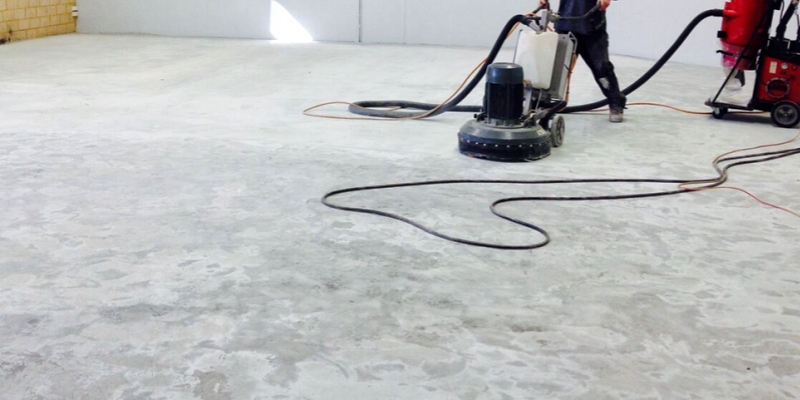
Tras el lijado inicial, el proceso avanza con granos más finos para alisar las marcas. Cada etapa debe mejorar progresivamente la superficie sin omitir pasos. Esto es especialmente importante en lugares de mucho tránsito, como centros comerciales o edificios públicos, donde las irregularidades en el acabado son más visibles. Una progresión controlada prepara adecuadamente el suelo para el pulido o el recubrimiento.
El control del polvo es otro aspecto fundamental. En interiores, la extracción eficaz del polvo es necesaria no solo para una buena visibilidad, sino también por motivos de salud y para cumplir con la normativa local. Dependiendo del lugar, se puede utilizar el lijado húmedo para controlar el calor y el polvo. Las inspecciones periódicas durante el lijado ayudan a identificar cualquier zona que se haya pasado por alto a tiempo.
El pulido de un piso de concreto implica más que simplemente eliminar material: se trata de crear una superficie que se mantenga en buen estado con el paso del tiempo. Si se sigue el proceso con cuidado y se utilizan las herramientas adecuadas en cada etapa, el resultado es una superficie limpia y uniforme, lista para el siguiente tratamiento. Este método minimiza las correcciones, aumenta la eficiencia y produce resultados más consistentes en diferentes tipos de proyectos.

 IPv6 red compatible