English
 français
 Deutsch
 русский
 italiano
 español
 português
 العربية
 日本語
 Polski
 中文

Cómo podemos ayudarte
Usted puede contactarnos de cualquier forma que sea conveniente para usted. Nosotros están disponibles las 24 horas / 7 días vía correo electrónico o teléfono.
Contacta con nosotras

Choosing the right grit sequence is essential for achieving a consistent result when grinding concrete floors. Each grit level has a specific purpose: coarser grits remove material and address surface imperfections, while finer grits refine the scratches left by earlier stages. Starting with a grit that is too fine may not remove deeper scratches or surface irregularities effectively. On the other hand, using an unnecessarily coarse grit can remove more concrete than needed and create deeper scratches that require additional work to refine. The goal is to choose a progression that matches the floor's condition and the desired finish rather than following the same sequence on every project.
Before selecting the starting grit, assess the concrete surface and determine how much material needs to be removed. Floors with old coatings, uneven areas, deep scratches, or significant surface imperfections may require a more aggressive initial grinding stage. Relatively smooth floors with minor irregularities may allow contractors to start with a less aggressive grit. Concrete hardness and aggregate characteristics should also be considered because they affect cutting performance and tooling wear. A test grind in a small area can help determine whether the selected starting grit removes material effectively without creating unnecessary scratches.
After the initial grinding stage, move through progressively finer grits to refine the scratch pattern left by the previous step. Each stage should remove or sufficiently refine the deeper scratches from the preceding grit before moving forward. Skipping too many grit levels can leave scratches that become visible during later polishing stages, even when the floor initially appears uniform. However, using every available grit is not always necessary. The appropriate progression depends on the starting surface condition, tooling performance, and required level of refinement. Contractors should inspect the floor between stages, paying attention to the scratch pattern rather than relying only on the grit number.
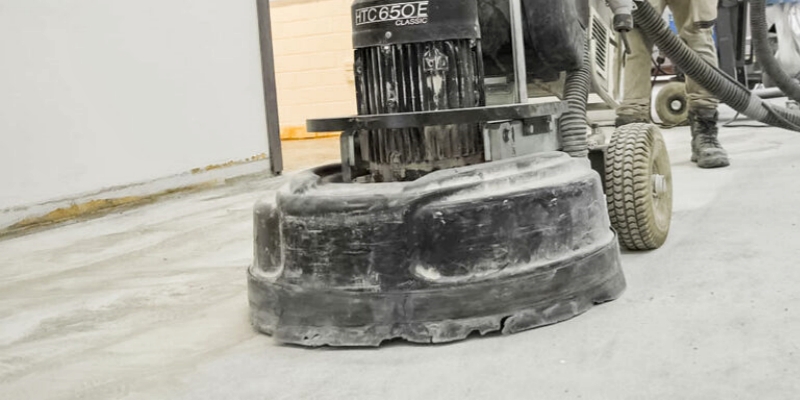
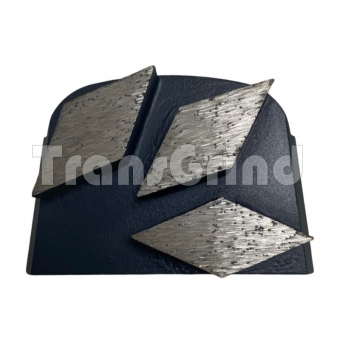
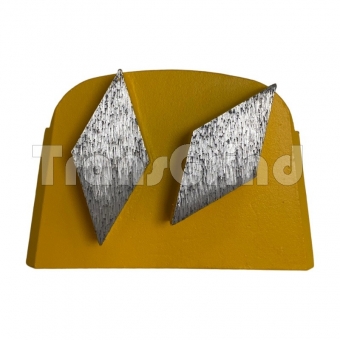
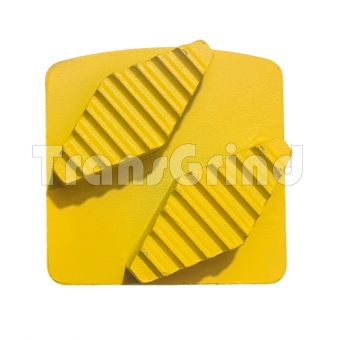
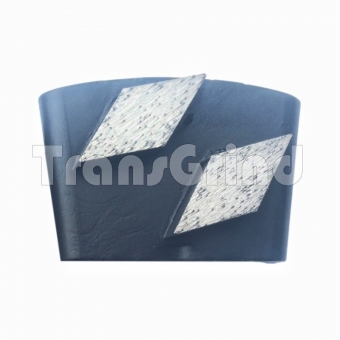
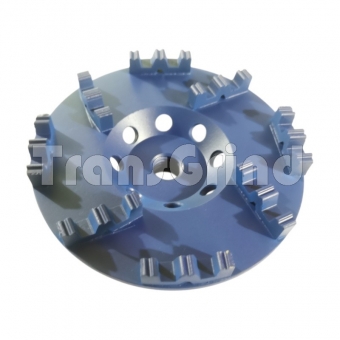
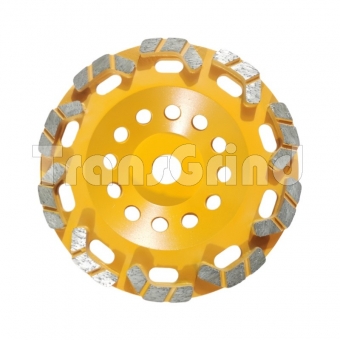
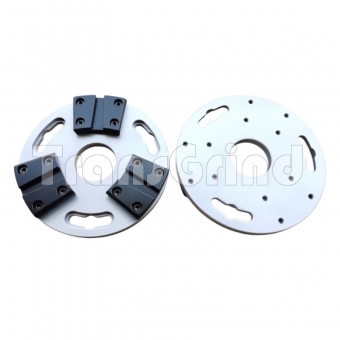
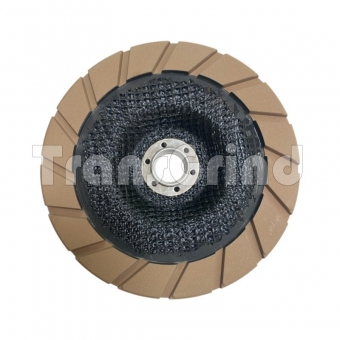
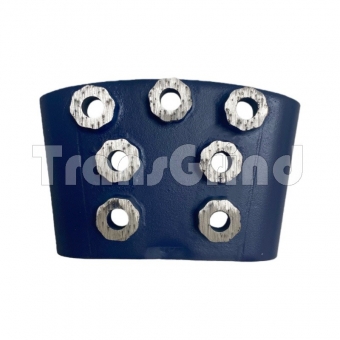
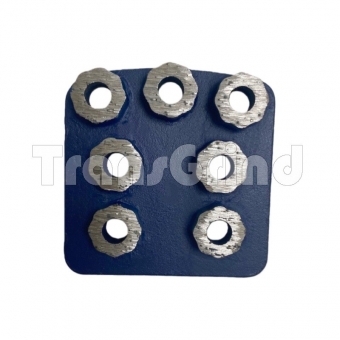
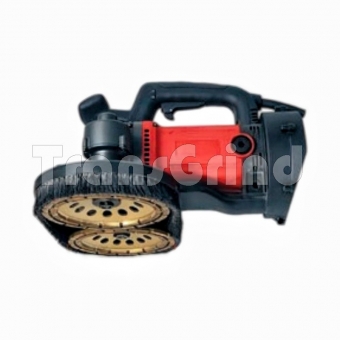
The grit sequence should also be planned alongside the type of tooling and grinder being used. Metal bond diamond tools are commonly used for initial grinding and surface preparation, while resin bond tools are generally introduced during finer refinement and polishing stages. Tooling design, bond hardness, segment shape, and machine performance can all influence how effectively each grit works. For example, a Werkmaster diamond grinding tooling setup or a Schwamborn metal grinding tool may be selected according to the corresponding grinder system and the concrete grinding requirements. Polar magnetic grinding discs can also be considered as part of the grinding setup, provided they are compatible with the grinder and suitable for the intended application. Regardless of the tooling selected, the grit progression should be guided by the actual scratch pattern and the desired surface finish.
A well-planned grit sequence helps reduce unnecessary grinding passes, excessive material removal, and inconsistent surface results. Before moving to the next grit, check whether the previous scratch pattern has been sufficiently refined, paying particular attention to edges, corners, and areas that may receive less consistent machine coverage. Keeping the tooling, machine settings, and working method consistent throughout the process also helps achieve more uniform results. Ultimately, the right grit sequence is not necessarily the longest one; it is the progression that takes the concrete from its existing condition to the intended level of surface refinement efficiently and consistently.

 IPv6 red compatible